Column · @zionxnbr494
6 Warning Signs of Black Mould Infiltrating Your Deck
Lismore sits in the heart of the Northern Rivers region of New South Wales, where a subtropical climate brings warm temperatures, high humidity and substantial rainfall. These conditions are wonderful for lush gardens, but they also create an ideal environment for mould, algae and fungal decay on outdoor timber and composite decking. Spotting the early warning signs of black mould on your deck allows you to act before the problem spreads, damages the structure, or affects the health of your household.
This guide explains the six most common warning signs, why Lismore decks are particularly vulnerable, and what practical steps you can take to protect your outdoor living space in 2026 and beyond.
Why Lismore Decks Are Prone to Black Mould
Mould needs only a few things to thrive: moisture, organic material to feed on, moderate warmth and limited sunlight or airflow. The Northern Rivers delivers many of these year-round. Frequent summer storms, humid air, shaded verandahs under established trees, and the lingering effects of flooding events in the region all contribute to damp outdoor surfaces that dry slowly.
Timber is an organic material, and even treated pine, hardwood and composite boards can accumulate dirt, pollen, leaf litter and other debris that mould spores feed on. Once spores settle in these conditions, colonies can establish within days and spread across the surface of the deck.
Sign 1: Dark Black, Grey or Green Patches on the Surface
The most obvious indicator is visible discolouration. Black mould typically appears as dark spots or speckled patches, often starting small and gradually merging into larger areas. You may also notice grey, green or olive tones nearby, which often indicate algae or early-stage mildew growing alongside the mould.
How to Tell Mould from Ordinary Dirt
Dirt usually wipes away easily and does not return quickly. Mould tends to reappear soon after cleaning, often in the same spots. A simple test is to apply a small amount of diluted bleach or a dedicated deck cleaner to a discoloured patch. If the stain lightens within a few minutes, it is likely mould or mildew rather than dirt or natural weathering of the timber.
Sign 2: A Persistent Musty or Earthy Odour
Mould produces microbial volatile organic compounds, which create the distinctive damp, earthy smell many people associate with mouldy cellars or wet cupboards. If your deck smells musty, particularly after rain or on humid mornings, mould may be growing on the surface or in hidden areas such as between boards and beneath the deck.
Odours are especially important to notice on decks with limited under-floor ventilation, where moisture becomes trapped and mould can develop out of sight.
Sign 3: Slippery, Slimy or Sticky Surfaces
A deck that feels slick underfoot, even when it has not rained recently, often has a biofilm of mould, algae or mildew on the surface. This is more than a cosmetic issue. Slippery boards are a genuine safety hazard, particularly on steps, near pool areas and along walkways used by children or older family members.
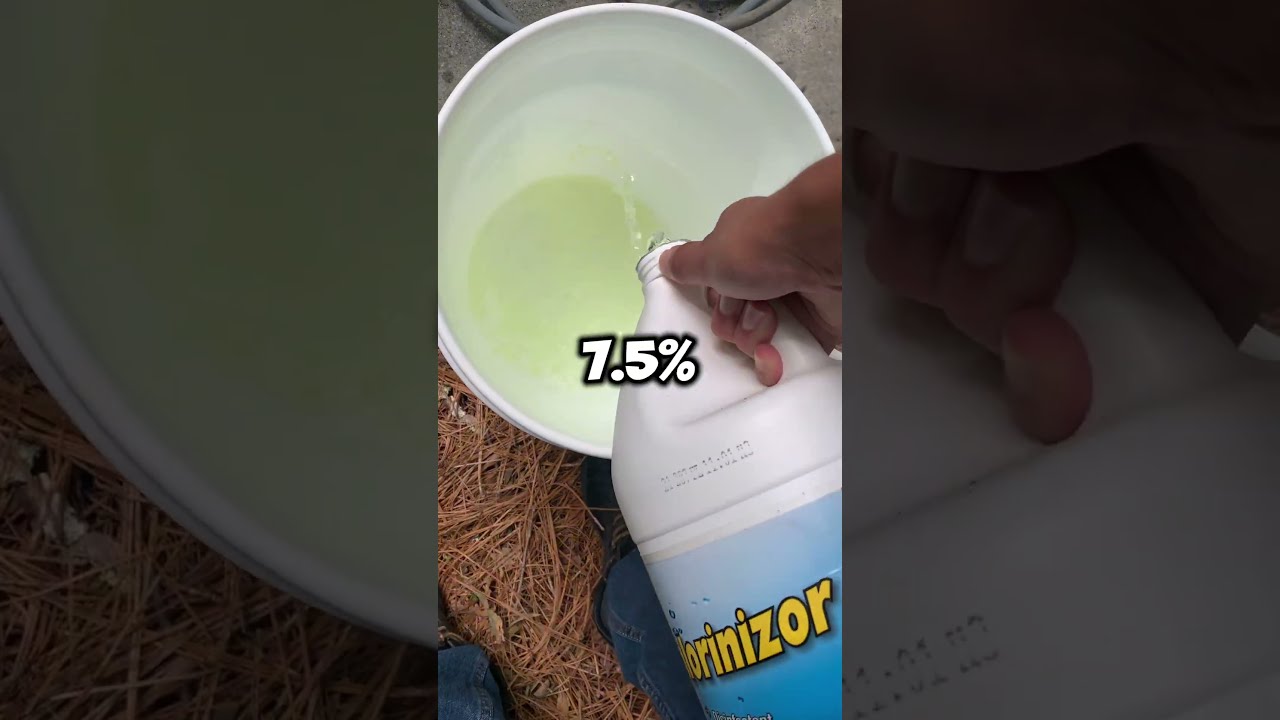

If you notice that certain sections are consistently slippery, especially shaded areas that stay damp, take it as a sign that microbial growth is established and needs attention.
Sign 4: Soft, Spongy or Discoloured Timber
Surface mould can be a precursor to deeper problems. Moisture that sustains mould also supports wood-rotting fungi, which break down the structure of the timber. Press a screwdriver or similar tool into the boards, joists and bearers. If the tool sinks in easily, or the wood crumbles, splinters https://edgaribrb379.rivertonbrief.com/posts/pressure-cleaning-graffiti-fast-solutions-for-council-assets or feels spongy, rot may be developing.
Areas to Inspect Closely
- Board ends and joints: End grain absorbs moisture faster than the face of the board.
- Beneath the deck: Check joists, bearers and posts for dark staining or damp patches.
- Contact points: Look where posts meet the ground or concrete footings.
- Near downpipes and garden beds: Water exposure is often greater here.
- Stair stringers and treads: These areas often stay wet longer and collect debris.
Sign 5: Mould Returning Quickly After Cleaning
If you have cleaned your deck recently but dark patches reappear within a few weeks, there is usually an underlying cause that has not been addressed. Common culprits include poor drainage, insufficient airflow beneath the deck, overhanging vegetation that blocks sunlight, or a worn protective coating that no longer repels moisture.
Pressure washing at very high settings can also drive spores deeper into the grain of softer timbers and roughen the surface, giving mould more places to take hold. A gentler cleaning approach combined with a protective sealer is generally more effective for long-term results.
Sign 6: Health Symptoms When Spending Time Outdoors
Mould releases microscopic spores into the air. For many people this causes no problems, but those with asthma, allergies or respiratory sensitivities may notice symptoms after spending time on or near a mouldy deck. These can include sneezing, a runny nose, itchy eyes, coughing, wheezing or tightness in the chest.
If household members experience these symptoms mainly when using the deck, or if symptoms improve when they are away from the area, mould exposure may be a contributing factor. Anyone with persistent or severe symptoms should speak with a doctor. Decks attached to doors or windows can also allow spores to travel indoors, so addressing outdoor mould helps protect indoor air quality too.
What to Do When You Spot the Warning Signs
Acting early makes treatment simpler and less costly. A sensible approach for Lismore homeowners follows these steps:
- Wear protective equipment. Use gloves, eye protection and a P2 or similar respirator mask when cleaning mould to avoid inhaling spores.
- Remove debris. Sweep away leaves, dirt and organic matter, and clear gaps between boards.
- Apply a suitable deck cleaner. Use a product designed for mould and mildew on your specific deck material, following the manufacturer's directions. Oxygen-based cleaners are often gentler on timber than chlorine bleach.
- Scrub with a soft to medium bristle brush. Work along the grain of the timber and rinse thoroughly.
- Allow the deck to dry completely. Choose a dry, breezy day where possible, as Lismore weather can change quickly.
- Re-seal or re-coat. Apply a quality penetrating oil or sealer with mould-inhibiting properties to help prevent regrowth.
Preventing Black Mould in the Long Term
Prevention is far easier than repeated treatment. Consider trimming back overhanging branches to increase sunlight and airflow, and make sure gutters and downpipes direct water away from the deck. Maintain adequate ventilation beneath raised decks, keep garden beds and mulch from touching the structure, and sweep the surface regularly to remove organic debris.
Most timber decks in humid climates benefit from re-oiling or re-sealing every 12 months, though the exact frequency depends on the timber type, product used and level of exposure. A quick seasonal inspection, particularly before and after the wetter summer months, helps catch problems early.
When to Call a Professional
Light surface mould can often be handled by a confident DIYer, but professional help is worth considering if the growth is widespread, keeps returning, or if you suspect structural damage. A qualified deck specialist or builder can assess the condition of bearers, joists and fixings, recommend repairs, and apply treatments suited to local conditions. This is especially important for elevated decks, where structural failure can cause serious injury.
If your deck has been affected by floodwater, have it inspected thoroughly. Prolonged saturation can compromise both the timber and the fixings, and may leave contaminants that need careful cleaning.
Final Thoughts
Black mould on a deck rarely appears overnight, and the warning signs are usually visible well before serious damage occurs. Dark patches, musty smells, slippery surfaces, soft timber, quick regrowth and unexplained allergy symptoms are all signals to take seriously. For Lismore homeowners, regular cleaning, good drainage, adequate airflow and consistent protective coatings are the most reliable ways to keep a deck safe, attractive and structurally sound for years to come.
Lismore Pressure Cleaning
(02) 6617 2969